
Stories and insights
Bob Keibler | June 3, 2026
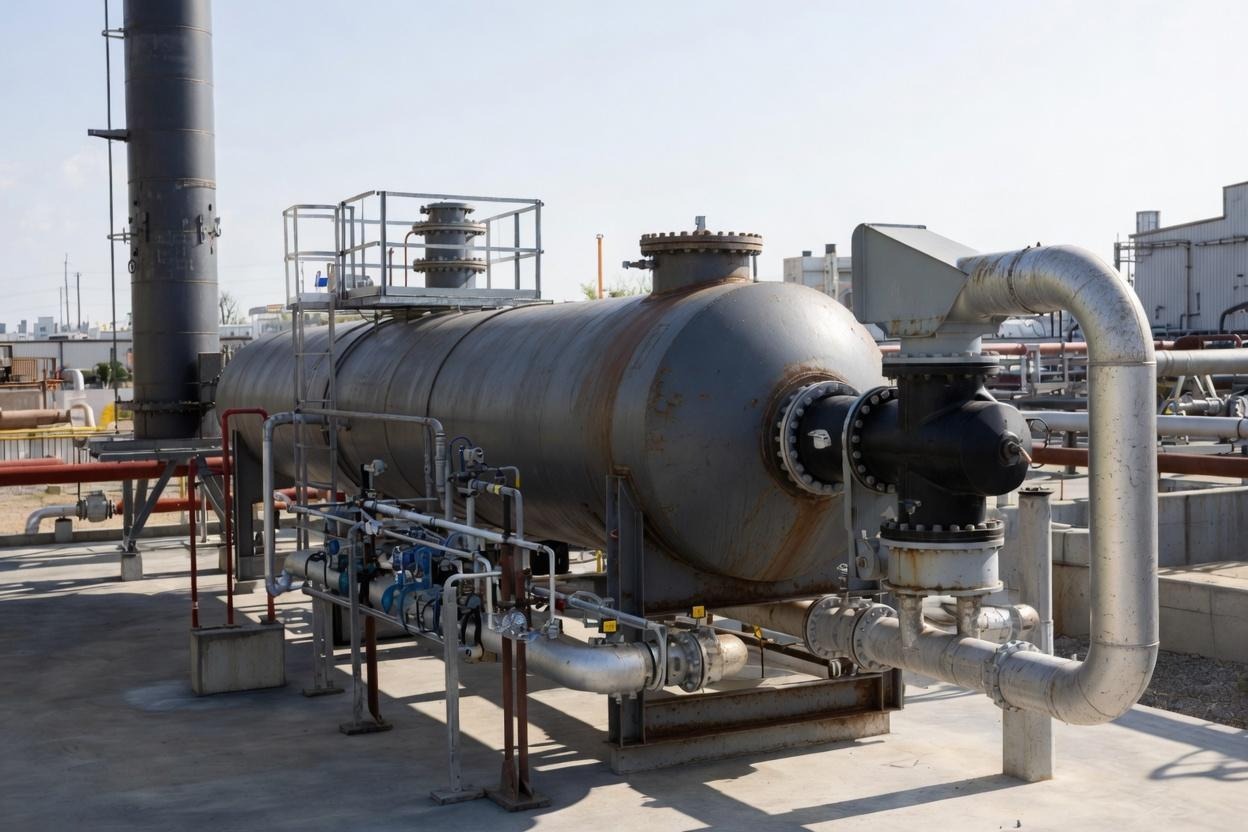
Custom versus Standard Thermal Oxidizers: Which One Do You Really Need?
Thermal oxidizers are essential air pollution control devices that destroy volatile organic compounds (VOCs) and hazardous air pollutants (HAPs) by operating a chamber for given
Bob Keibler | June 3, 2026
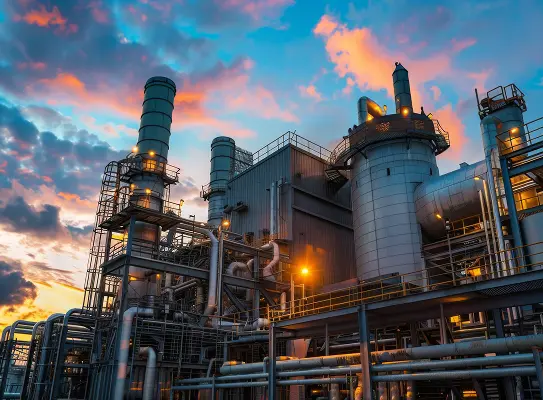
RTO vs. Catalytic Oxidizer: Key Differences Explained
RTO vs RCO: What Is the Difference Between a Regenerative Thermal Oxidizer and a Regenerative Catalytic Oxidizer? Industrial facilities generating volatile organic compounds (VOCs) and
Bob Keibler | June 3, 2026
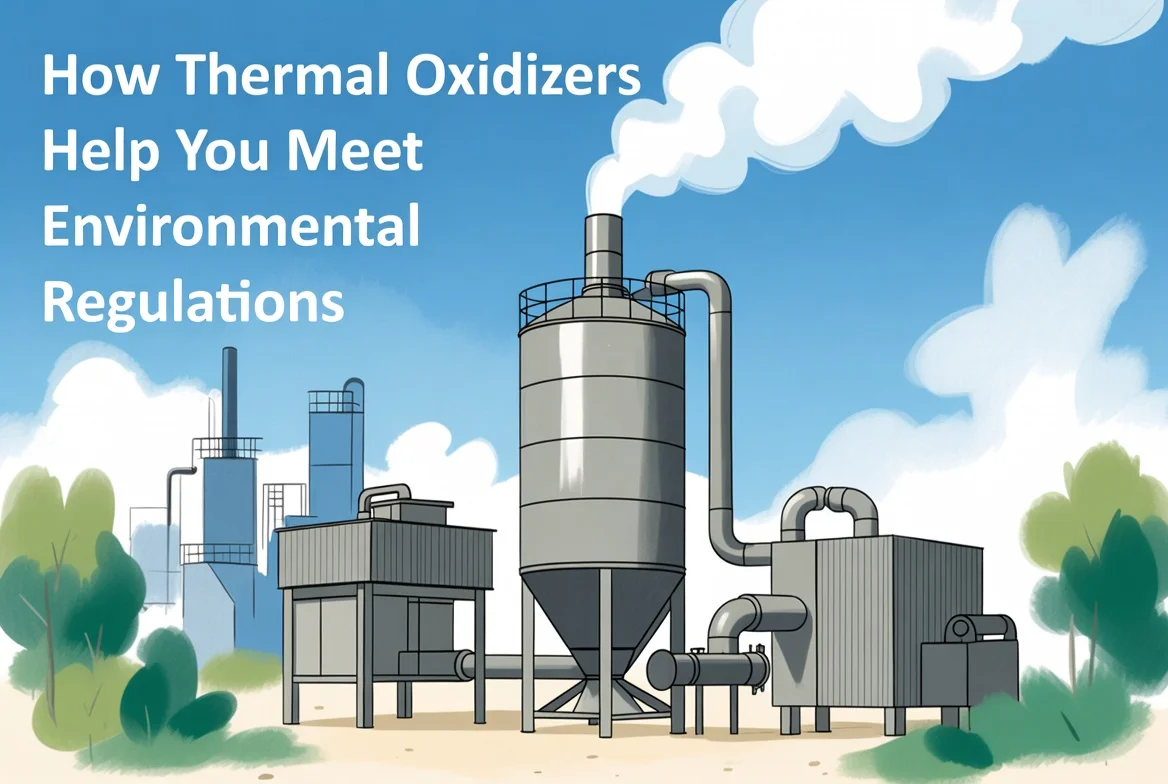
How Thermal Oxidizers Help You Meet Environmental Regulations
Industrial facilities face strict air quality standards under regulations like the U.S. EPA’s Clean Air Act, National Emission Standards for Hazardous Air Pollutants (NESHAP), and
Bob Keibler | June 3, 2026
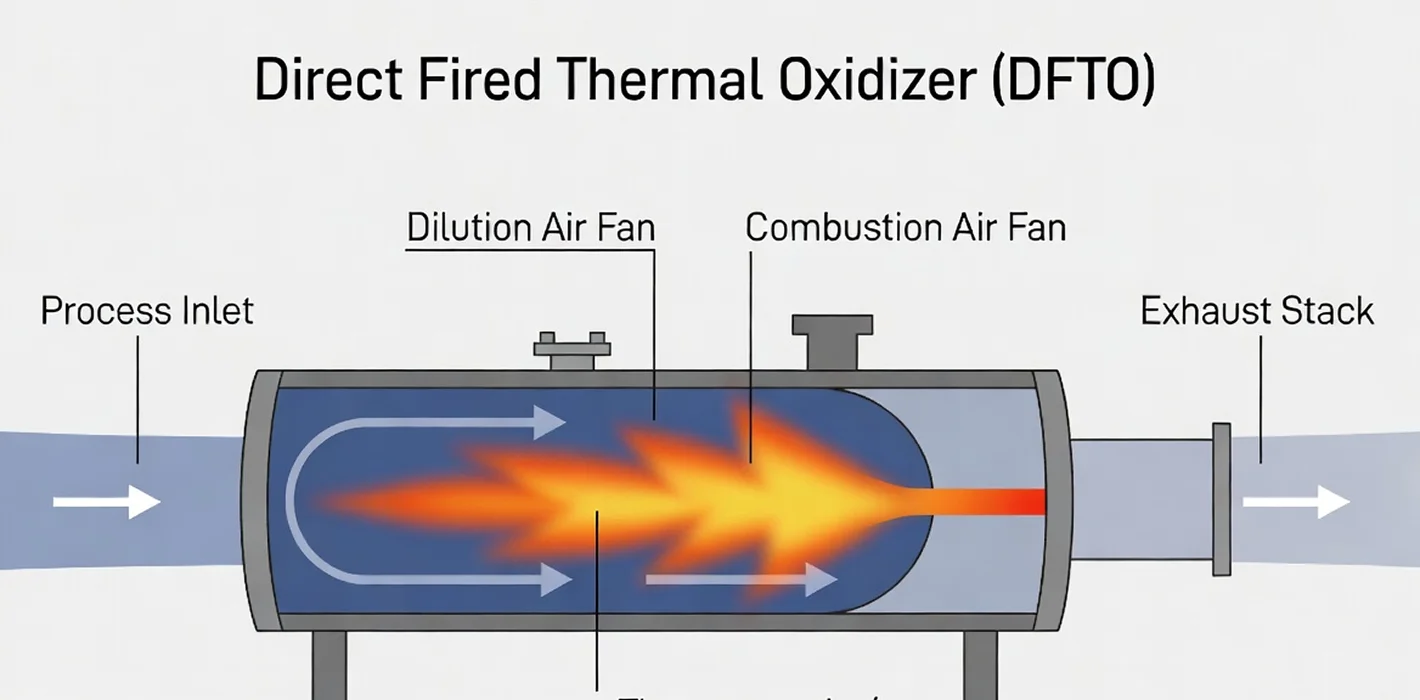
Top 5 Factors That Affect Thermal Oxidizer Performance
Thermal oxidizers are critical air pollution control devices that destroy volatile organic compounds (VOCs) and hazardous air pollutants (HAPs) through high-temperature combustion. Achieving high destruction
Bob Keibler | May 21, 2026
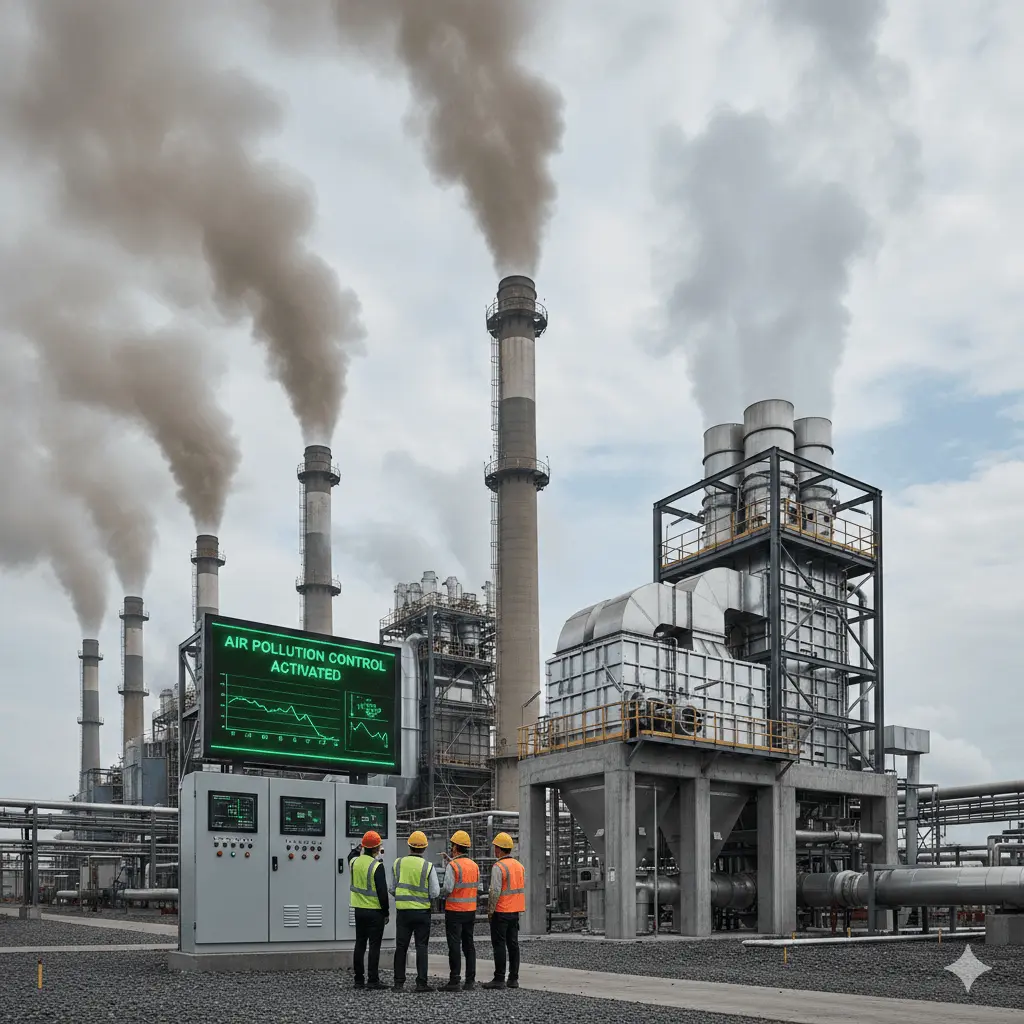
Understanding Thermal Oxidizers
Thermal oxidizers, also known as thermal incinerators (the “I” word that fell out of favor for gaseous destruction) or TOX systems, are critical air pollution
Bob Keibler | May 21, 2026
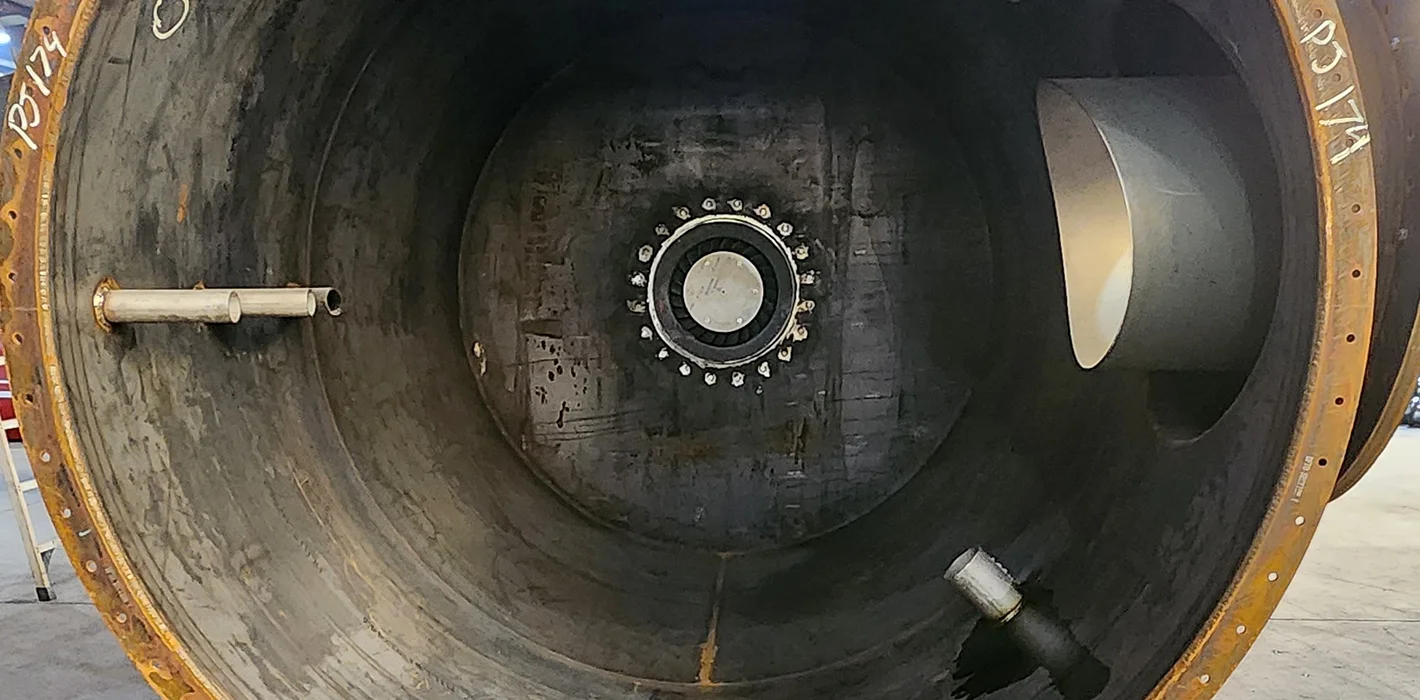
Why Custom Engineering is Critical for Thermal Oxidizer Design and Construction
Thermal oxidizers play a vital role in destroying volatile organic compounds (VOCs) and hazardous air pollutants (HAPs) through high-temperature combustion. However, not all industrial exhaust