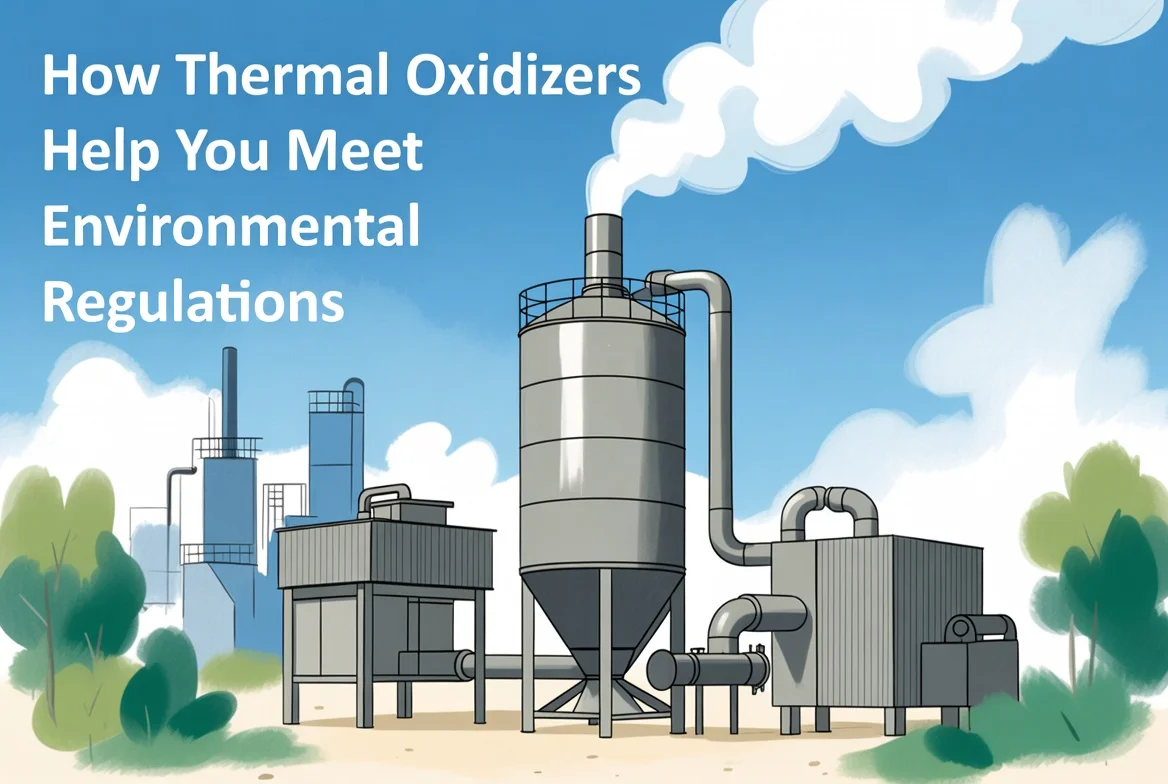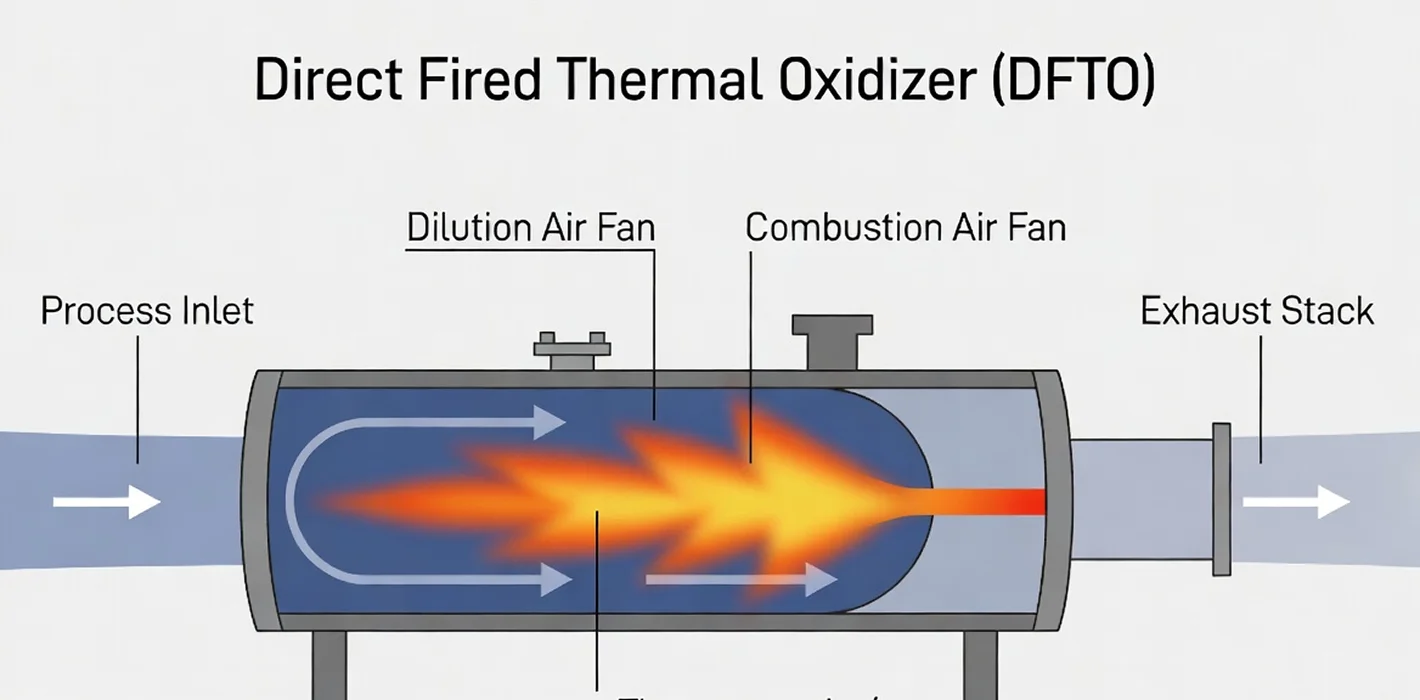
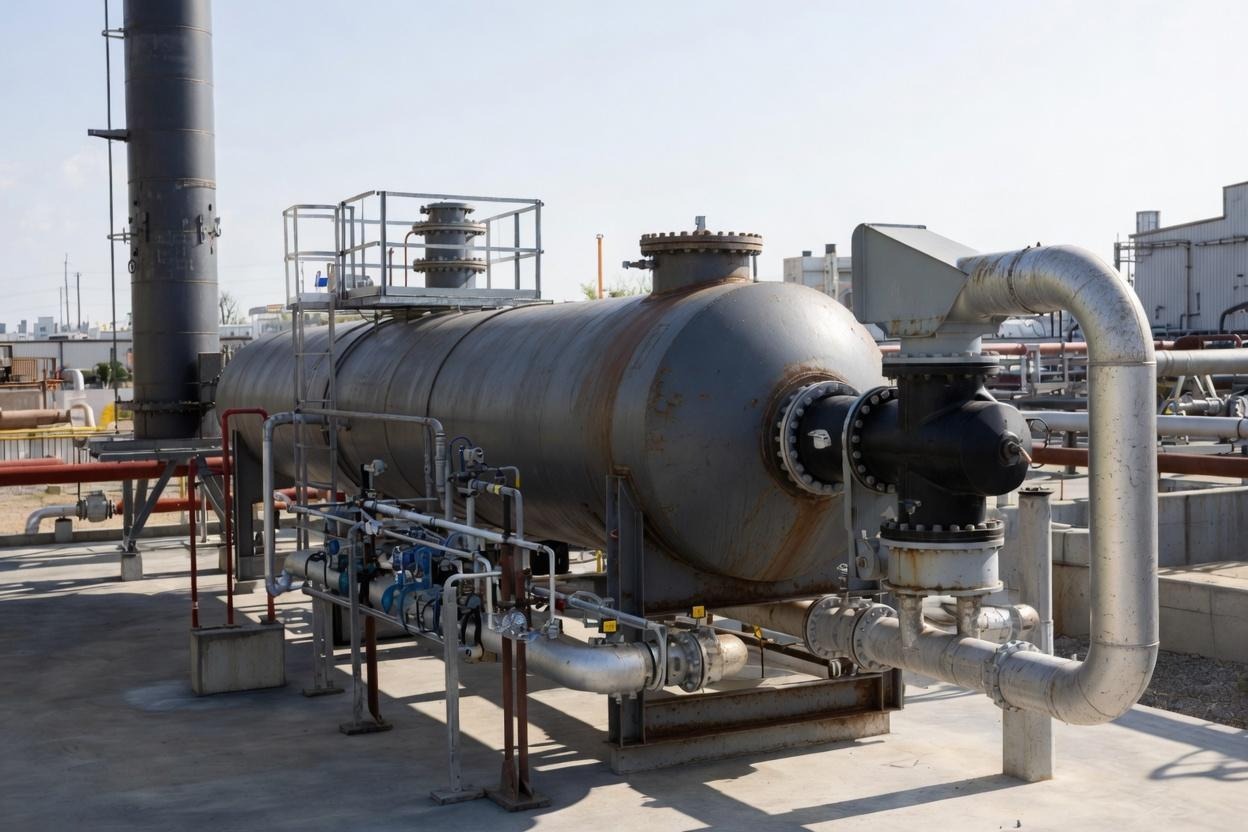
Thermal oxidizers are essential air pollution control devices that destroy volatile organic compounds (VOCs) and hazardous air pollutants (HAPs) by operating a chamber for given residence time at an appropriate operating temperature via combustion / oxidation. This enables manufacturers meet strict environmental regulations while minimizing emissions.
When investing in one, the big decision is standard (off-the-shelf) versus custom-designed. Here’s a concise breakdown to help you choose.
Standard Thermal Oxidizers
These are pre-engineered models available in common sizes and configurations (often regenerative thermal oxidizers or RTOs, recuperative, or catalytic types).
Pros:
- Lower upfront capital cost and faster delivery/installation.
- Proven, reliable designs with established performance data.
- Easier maintenance due to standardized parts.
- Predesigns proven for flow rates and VOC concentrations that suit.
- Often times the process off gas preheating via recuperative gas to gas of a standard design is the best way to achieve the highest efficiency. Or, often for higher flow rates, the regenerative TO preheating systems provides the highest heat recovery / lowest OPEX for applications with high flow rates and low concentrations,
Cons:
- May not perfectly match unique process conditions (e.g., variable flow rates, variable treated gas heating value, high particulate loads, corrosive streams, or space constraints). This could result in operational, functional or emission difficulties.
- Less optimized efficiency for your specific VOC concentrations or exhaust characteristics, potentially leading to higher long-term operating costs.
Custom Thermal Oxidizers
These are engineered from the ground up to fit your exact process parameters, site requirements, and emission goals.
Pros:
- Superior optimization: Higher destruction efficiency (readily satisfying the majority of project DREs and capable of meeting the most stringent requirements >99%),
- Better heat recovery method for what the plant desires (high heat recovery for steam production, therminol heating, or basic combustion air preheat if the application “calls for”), which may be combined with and lower fuel/energy consumption tailored to your VOC loading.
- Handles challenging applications like particulates, halogens, or intermittent/batch processes more effectively.
- Better integration with existing equipment and compliance with site-specific regulations.
Cons:
- Higher initial cost and longer lead time.
- Requires thorough upfront engineering and post installation testing.
Which One Do You Really Need?
Consider these key factors:
- Process variability and volume — High or fluctuating flows, unique contaminants, or space limits often favor custom.
- Operating costs vs. capital — If your facility runs continuously with moderate-to-high VOCs, a custom unit can pay for itself quickly through energy savings. If high steady flow rate with fairly constant heating value, the standardized systems may be the ticket.
- Regulatory and future-proofing needs — Custom offers flexibility for tighter future standards or process changes.
- Budget and timeline — Standard wins for straightforward applications with tight schedules. However, even custom systems may use previous engineering knowledge to expedite the system.
Bottom line: Start with a standard model if your process is common and well-understood. Opt for custom if efficiency, reliability, or compliance margins are critical—many facilities see the best ROI from a tailored solution. Consult an experienced manufacturer for a site evaluation to confirm the right fit.
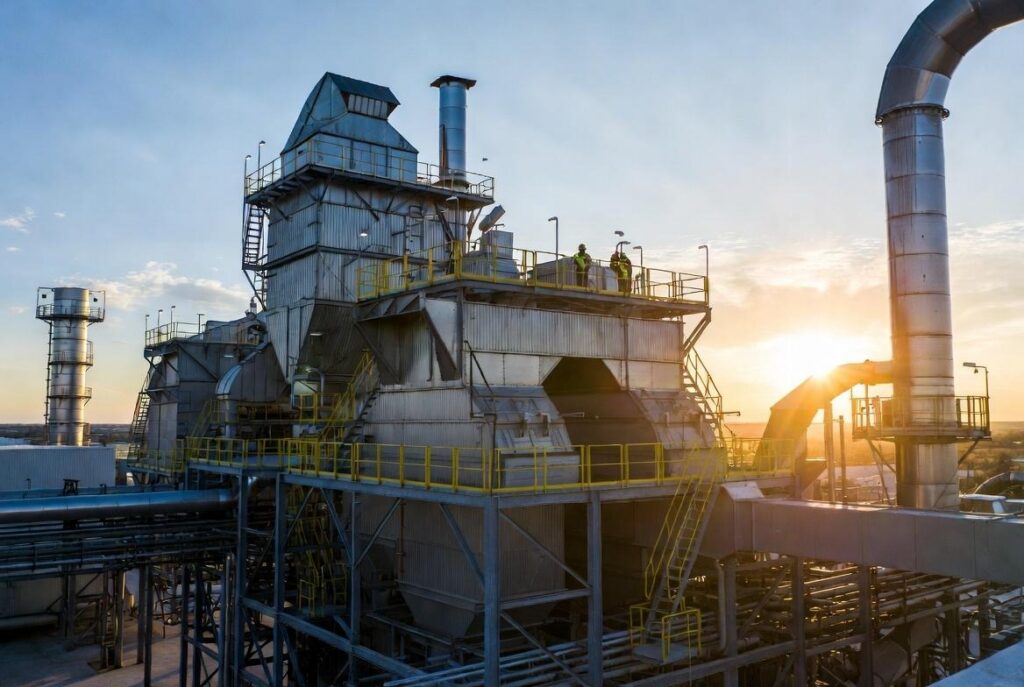
Choosing wisely keeps your operation compliant, cost-effective, and sustainable for years to come.