solutions
VOC Control Solutions
you can expect the best Systems from the EXPERTs at Nacah Tech
Basic design of systems based on flow rate along with estimation of type and quantity of VOC’s provides comfort level for plant engineers/operators. Optimizing choice of Activated Carbon usage due to vast experience in the field. Saves initial costs, assures proper capture, and optimizes operating costs. Individually designed systems to suit particular applications depending on type and quantities of VOC ‘s. Optimizes costs and operation success.
- Engineering and/or turnkey delivery of entire system consolidating all needed components from various suppliers
- Engineered systems optimize location and temperature of each component/system
- Design selection includes future plant considerations
- Carbon systems supplied as fixed or fluid beds; nonregenerative or regenerative systems with reactivating carbon desorbers onsite
- System evaluation for optimal designs to include heat exchanger, waste heat boiler, oil or water heater, bag house, ESP, scrubber, stack, etc.
- Duct collection system engineering as needed.
- Engineering for complete system as much as needed to assist customer/user/AE/EPC
About VOC’s
WHAT ARE VOC’S?
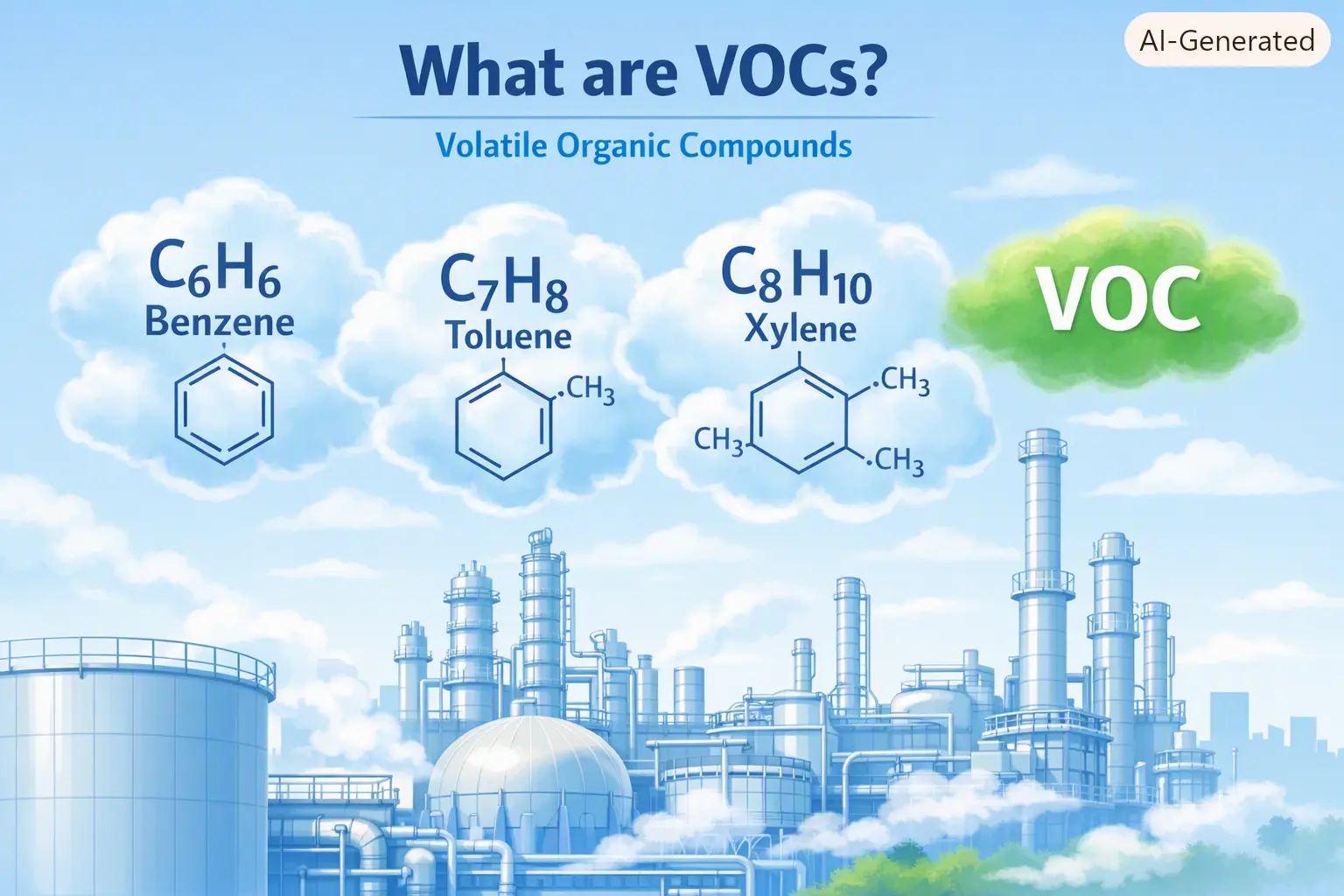
Volatile Organic Compounds ( VOC ), are generated in streams where oils or hydrocarbons are present in refinery and petrochemical effluents or streams. These regularly consist of BTEX (Benzene, Toluene, Xylene, etc.), and other organic compounds which add to the odor and are often required to be controlled whereas they may have been previously vented into the atmosphere.
VOC CONTROL
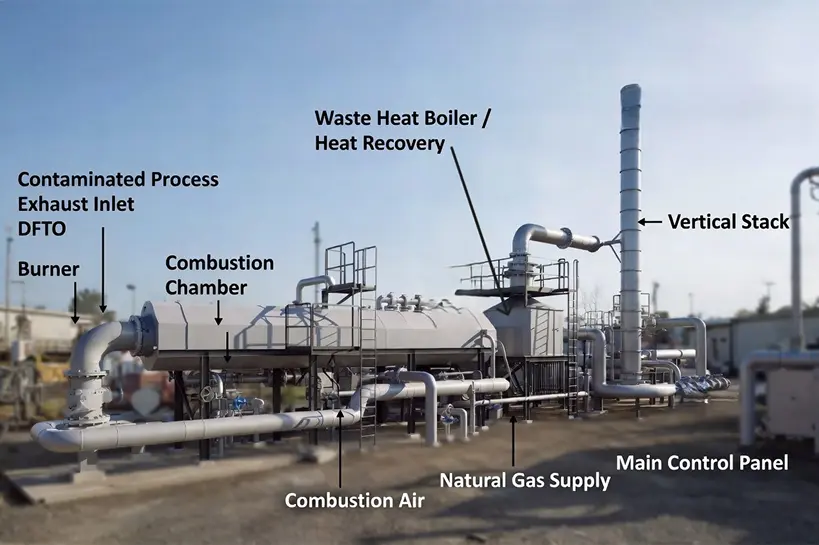
All VOC generating points such as oil sumps, storage tanks for slop and feed oils, separator tanks like API’S, TPI’s, DAF systems, etc. need to be fitted with the VOC control system. This control may be fixed by Carbon adsorption with possible subsequent desorption. As an additional option, the VOC may be desorbed and then the concentrated VOC desorb gas be treated by a DFTO to rid the VOC’s and meet compliance.
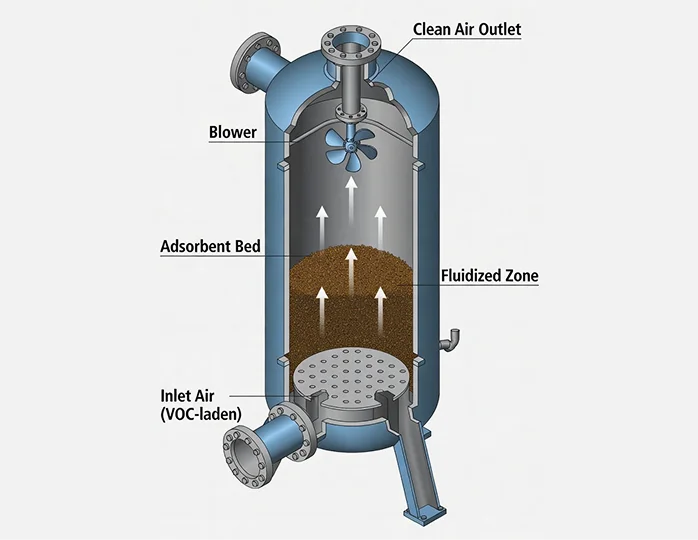
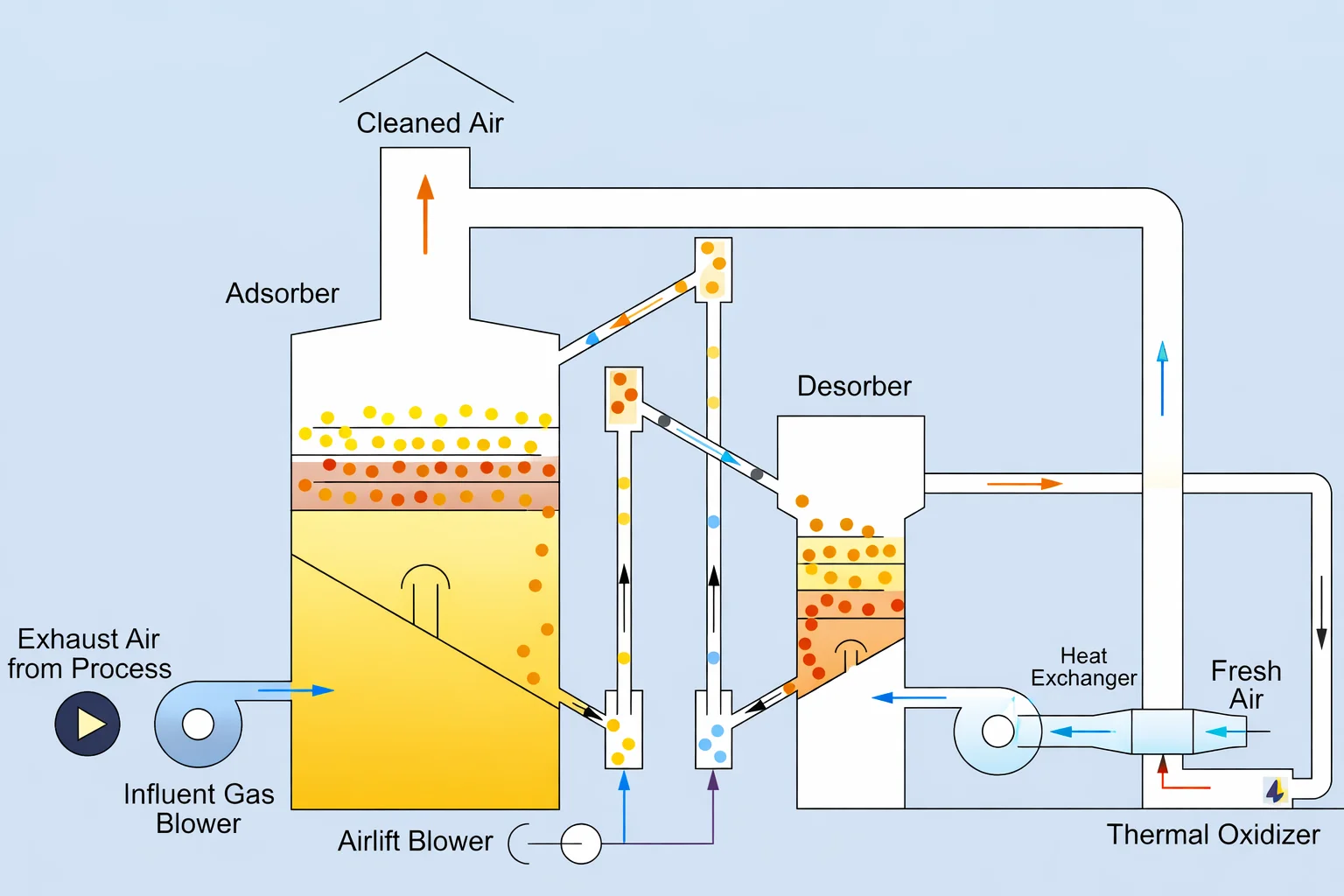
FLUID BED CONCENTRATOR SYSTEM
Basic design of systems including estimation of nature and quantity of VOC’s provides comfort level for plant engineers/operators. Optimizing choice of Activated Carbon usage due to vast experience in the field. Saves initial costs, assures proper capture, and optimizes operating costs. A highly adsorbing bed, activated carbon is customized to operate as a “fluid” and effectively capture a wide range of HC’s. Individually designed systems to suit particular applications depend on type and quantities of VOC ‘s. Optimizes costs and operation success for the target applications.
CARBON ADSORPTION
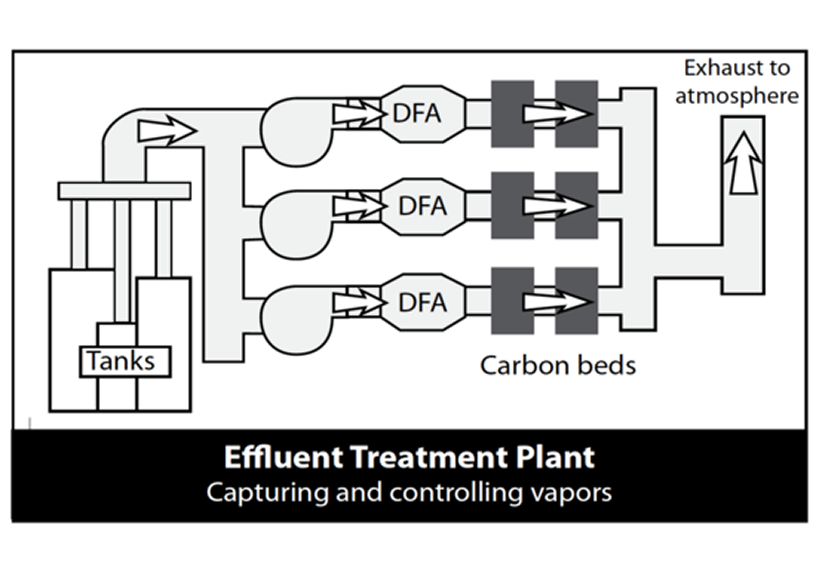
This is the easiest and most basic form of VOC control, wherein a particular grade of Carbon is chosen based on tests on the streams and on experience. The VOC’s are then passed through the Carbon bed to adsorb them and to ensure that the vapors coming out are harmless to the atmosphere. This is carried out fixed bed in Carbon canisters or Tanks, depending on the flow and the site conditions. Basically, a Fixed Bed (lower flow or minimum cost) or a Fluidized Bed (high flow or avoidance of carbon disposal/operation costs) option is possible.
HEAT RECOVERY SYSTEMS
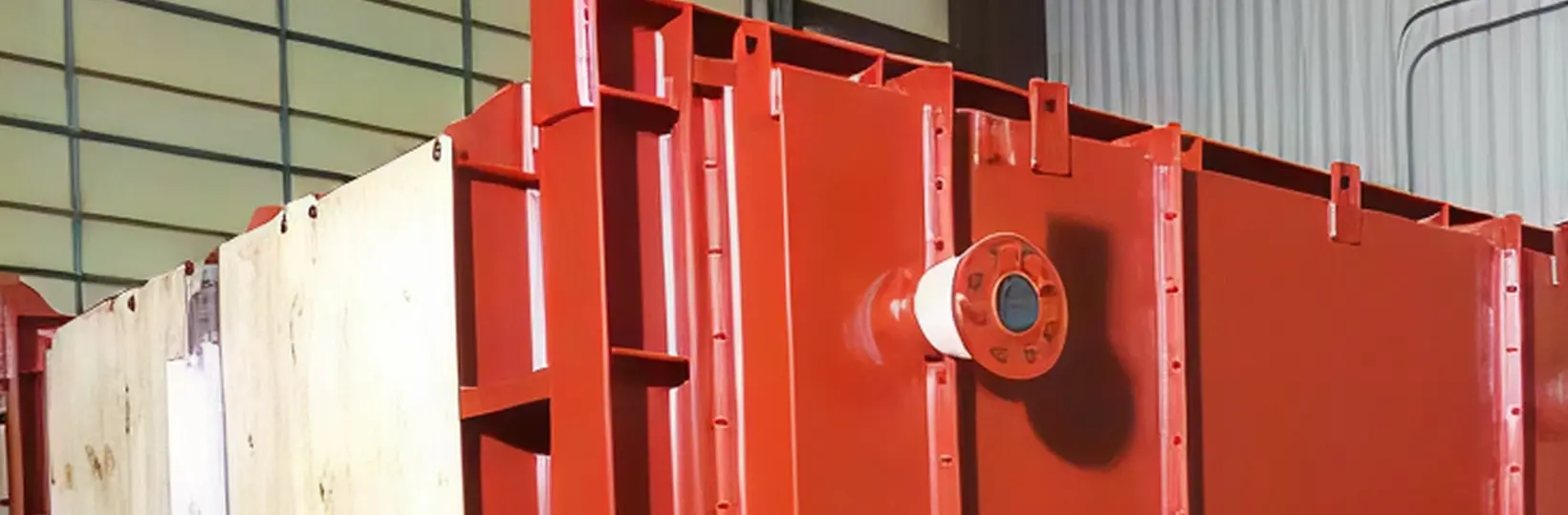
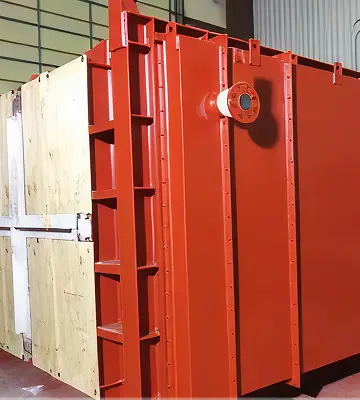
Heat recovery systems may be added in the field or included with the purchase order when originally ordered. Nacah Tech systems are designed with the optimum operating costs in mind and target the customer’s objectives. If minimizing fuel costs is the priority, an offgas preheater or combustion air preheater is incorporated.
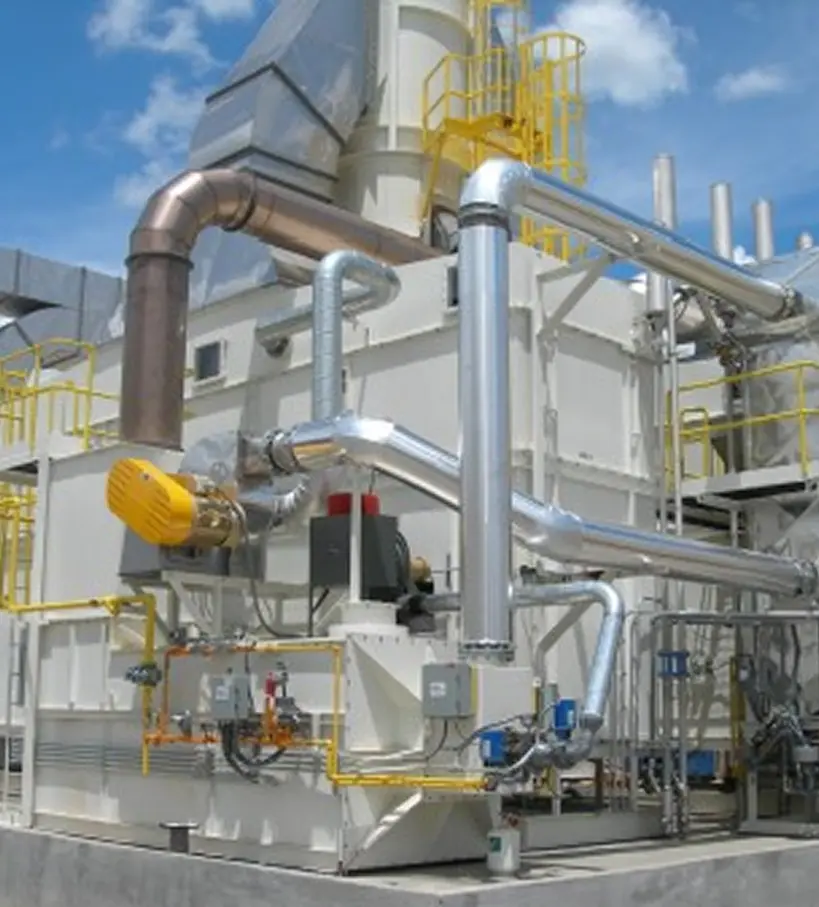
If capturing the heat that would otherwise exit up the stack is desired (as shown in photos), hot water, or hot oil therminol (as shown in photos), that heat recovery method is included.
Sometimes, these methods are combined in the system to increase the heat recovered and increase the plant’s sustainability and lessen its carbon footprint. RTOs (effective on applications with higher flow rates and lower VOC concentrations) use ceramic media to preheat the incoming offgas, recuperative thermal oxidizers regularly use gas to gas heat exchangers for preheating, and those applications with high heat release or dirtier gas are better suited with different options like the boiler or oil heater that accompany a DFTO. Retrofits and upgrades also increase the efficiency of systems, reduce plant fuel consumption, and increase the life of the whole system.