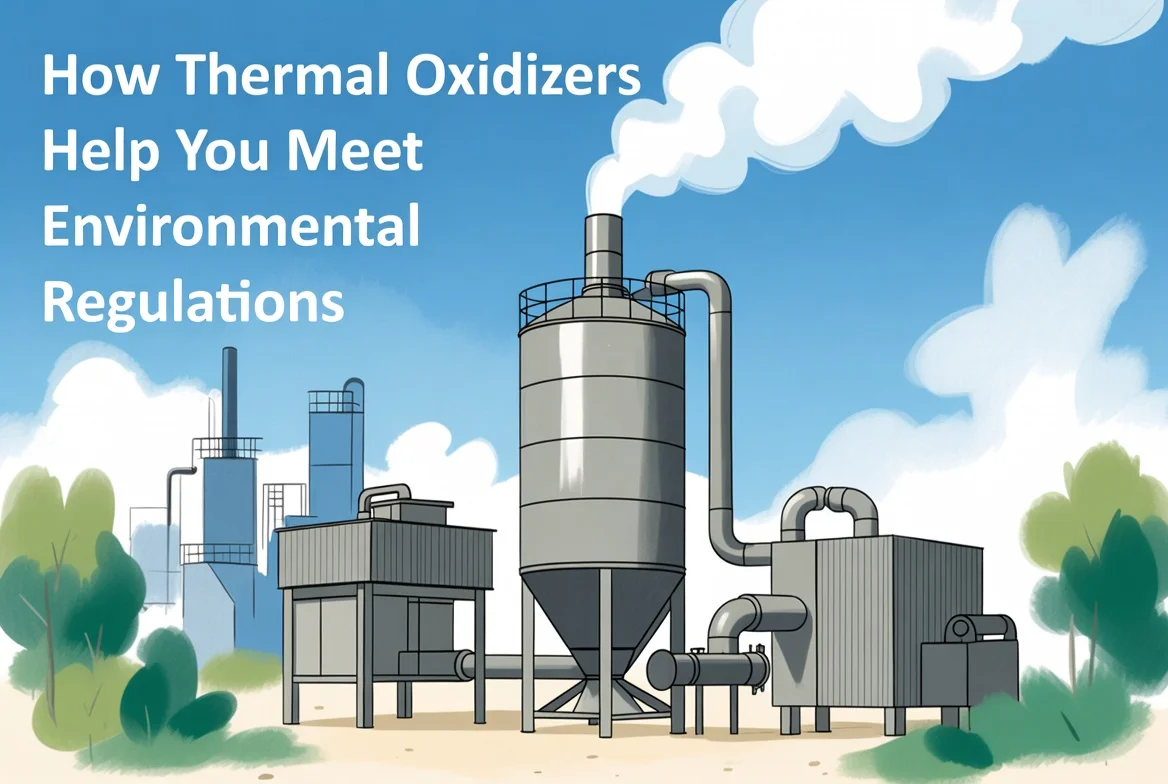
Industrial facilities face strict air quality standards under regulations like the U.S. EPA’s Clean Air Act, National Emission Standards for Hazardous Air Pollutants (NESHAP), and similar global frameworks (EU IED, China’s GB standards). Thermal oxidizers are proven, reliable solutions that destroy volatile organic compounds (VOCs), hazardous air pollutants (HAPs), and odors before they reach the atmosphere.
How Thermal Oxidizers Work
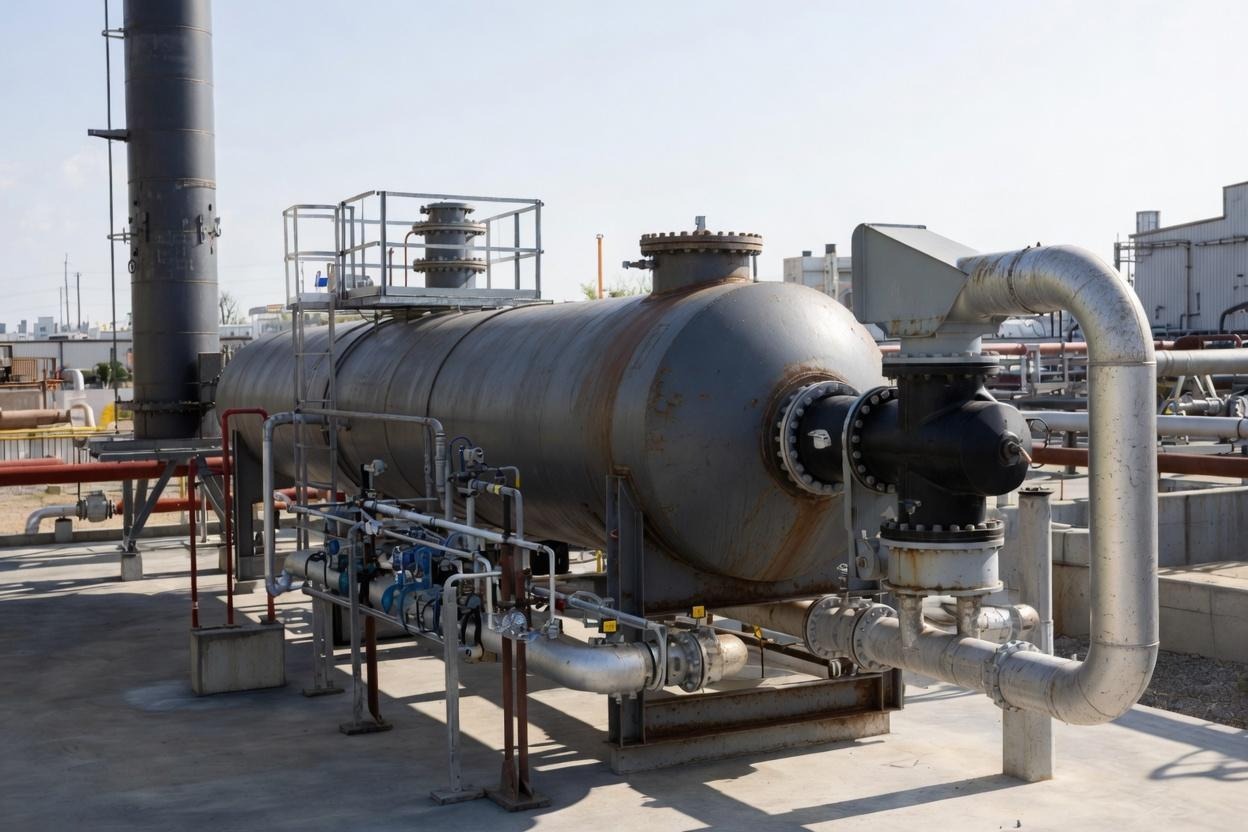
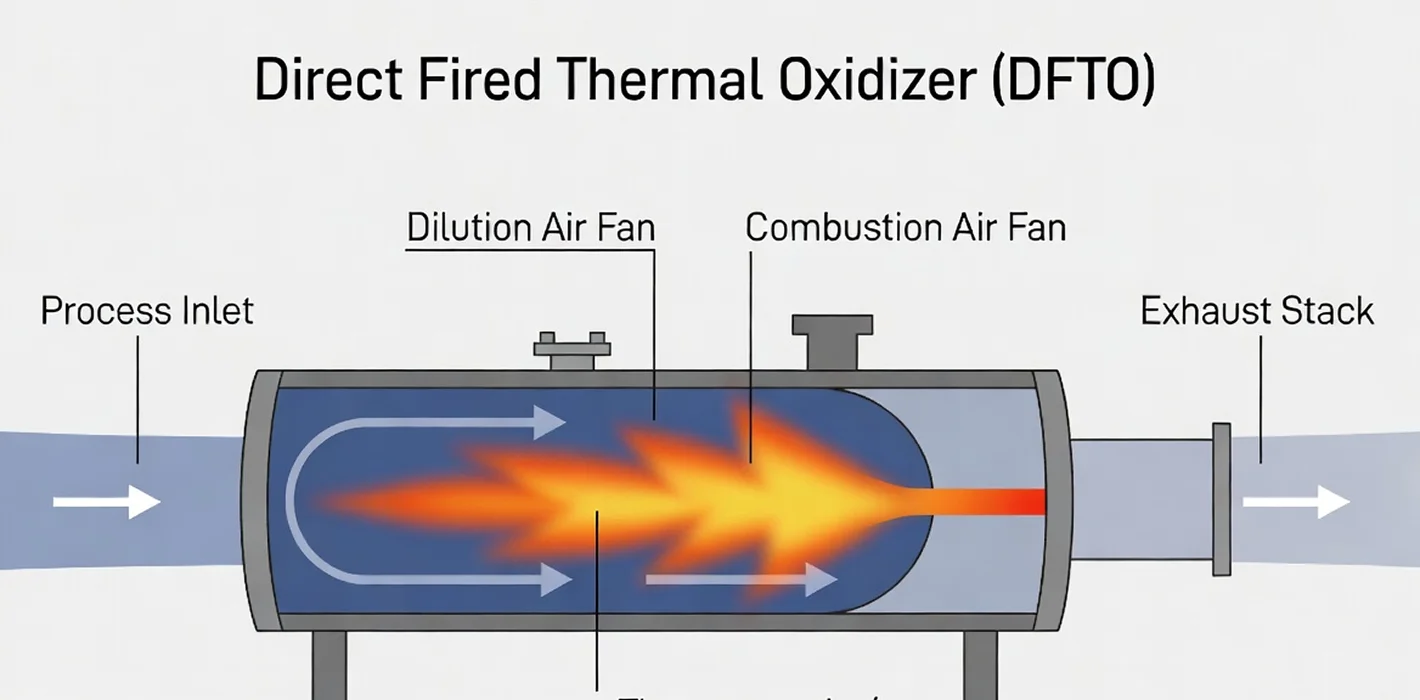
Thermal oxidizers heat exhaust streams to a normal range of 1,400–1,800°F (760–980°C) in a combustion chamber, breaking down pollutants into harmless carbon dioxide and water vapor through high-temperature oxidation.
Key components include:
- Heat recovery systems (recuperative or regenerative) that recycle up to 95% of the heat, slashing fuel costs.
- Catalytic options for lower-temperature operation when suitable (reduce OPEX).
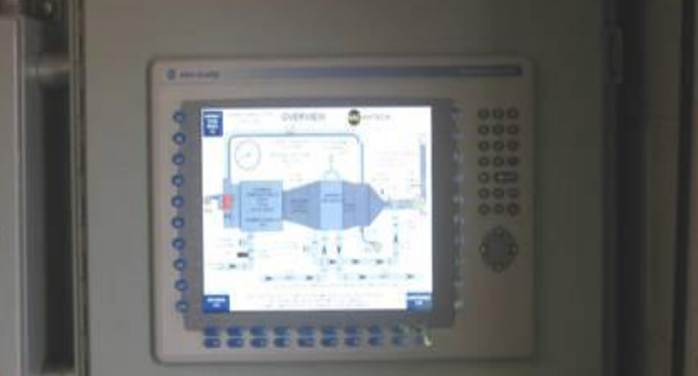
- Advanced controls for precise temperature and flow management.
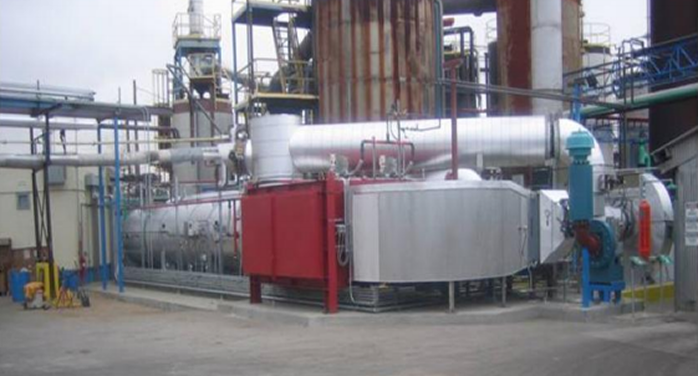
- Direct Fired Thermal Oxidizer’s chamber systems handle high concentrations and varying heating value and flow rates effectively.
Direct Compliance Benefits
- Near-100% destruction efficiency — Readily meets or exceeds 95–99.99% DRE (Destruction Rate Efficiency) required by most permits.
- Handles variable loads — Ideal for fluctuating production schedules in printing, coatings, chemicals, pharmaceuticals, asphalt, plastics, and waste management, or other applications.
- Reduces multiple pollutants simultaneously — VOCs, HAPs, and odors in one step.
- Documented performance — Temperature monitoring and sometimes with continuous emissions monitoring systems (CEMS) provide the data regulators demand during audits.
- Removal of acid gas – (i.e., inlet with halogen or sulfur) to meet emission regulations when needed.
Bottom-Line Advantages
Beyond compliance, thermal oxidizers have lower operating costs and often include energy recovery, avoid hefty fines (which can reach millions), protect community relations, and future-proof operations against tightening regulations.
For many facilities, installing a properly sized thermal oxidizer is the most straightforward path to consistent, defensible environmental compliance.
Need help evaluating oxidizer options for your process? Consult a qualified environmental engineer or system provider.